Iran’s participation in FIFA Men’s World Cup still in question
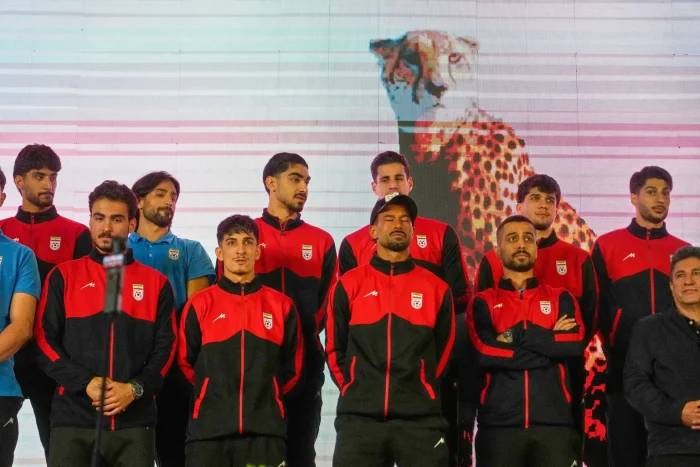
seattletimes.com – When Gianni Infantino walked to the podium in Vancouver, B.C., late last month and declared that Iran would participate in the FIFA Men’s World Cup, it seemed the uncertainty was over. The president of FIFA said so.
The Iranians may not completely agree.
Less than a month out from the start of the 2026 FIFA Men’s World Cup, another round of uncertainty about Iran’s participation in the tournament emerged this week, this time centering around the team’s concerns about visas and their request that Iran’s culture, beliefs, flag and national anthem be respected throughout the tournament.
It’s the latest chapter in the turmoil surrounding Iran’s World Cup campaign that started with the draw last December and has been a roller coaster of one news cycle after another ever since — in part because of the U.S. and Israel’s war against Iran.
The latest entry came after the head of the Iranian soccer federation, Mehdi Taj, said last weekend that the country would participate in the tournament — including the June 26 match against Egypt at Lumen Field — only if a list of conditions were met by FIFA and by the United States.
Chief among those conditions were securing visas for the Iranian players and staff to enter the U.S. without complications. The request included visas for players and staff who had previously served in the Iranian Revolutionary Guard Corps. The IRGC is deemed a terrorist organization by the U.S. and Canada.
Taj and the Iranian delegation were absent from the event where Infantino confirmed Iran’s participation because Taj was denied entry into Canada because of his previous ties to the IRGC.
During a send-off event for the Iranian team in Tehran on Wednesday, Taj was quoted by state media as saying the issues with the visas had yet to be resolved. Taj said the players were expected to travel to the Turkish capital of Ankara for fingerprinting as part of the visa process.
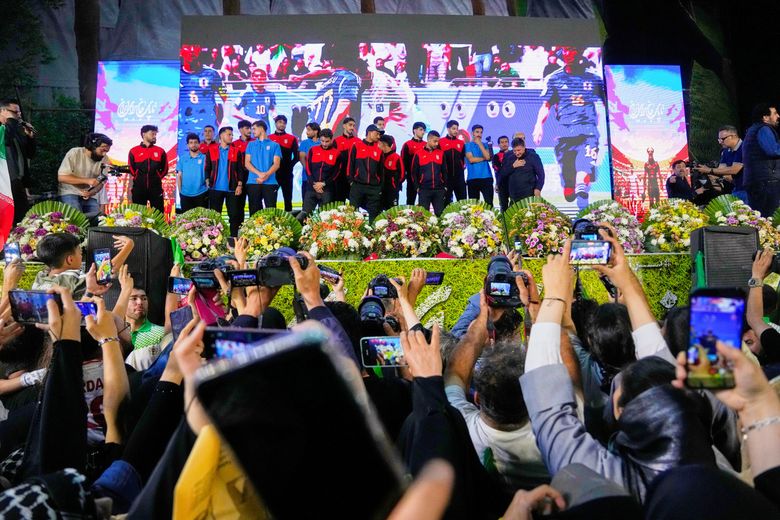
“We have not received any account from the other side regarding who has been granted visas. No visas have been issued yet,” Taj was quoted by Iranian news agency IRNA.
Taj added in his comments that a “decisive” meeting with FIFA was scheduled in the coming days in regard to the visas and the other aspects of their demands.
As part of their list of requests unveiled last weekend, the Iranian Federation issued a statement reading, “We will definitely participate in the 2026 World Cup, but the hosts must take our concerns into account. We will participate in the World Cup tournament, but without any retreat from our beliefs, culture, and convictions.”
But how many of Iran’s demands FIFA is willing to entertain or guarantee is uncertain. Aside from the visa issue, some of what Iran is requesting is straightforward and in line with the kind of requirements all countries participating in the tournament would want. For example, Iran said it wants assurances on safe travel and heightened security around the team and staff for its base camp in Tucson, Arizona, and when traveling to matches in Seattle and Inglewood, California.
Taj also said that “respect for the national team staff, the team’s flag and its national anthem,” must take place during the tournament.
The latest requests from Iran follow a request the country made after the draw last December when it was placed into a match designated as a Pride celebration match by the Seattle local organizing committee. The Pride celebration is outside of the stadium, but both Iran and its opponent in the match, Egypt, balked at being involved in a match with the Pride affiliation as homosexuality is illegal in Iran and while not expressly outlawed in Egypt is often punished under laws on “debauchery.”
Both countries appealed to FIFA, but the governing body made no changes to the schedule. The match falls on the Friday at the start of Pride weekend in Seattle, and was designated as a Pride celebration match by the local committee even before the draw was released.
Taj’s specific mention of respect for the team’s flag and the statement from the federation about “beliefs, culture and convictions,” has elicited different reactions. Outsports wrote a piece Thursday speculating that Iran would want Pride flags and displays banned from being brought into any stadium, particularly Lumen Field for the match with Egypt.
While that might be Iran’s preference, the comment from the Iranian federation about the flags did not specify Pride flags. It could be directed more toward the “Lion and Sun” flag that has become symbolic for those that oppose the current Islamic regime in the country. From the time the country adopted its first constitution in 1906 and up until the Islamic Revolution in 1979, the “Lion and Sun” emblem was centered on a white background between green and red stripes as the primary flag for the country.
FIFA has strict guidelines on what fans can and can’t bring into stadiums. It garnered attention during the 2022 World Cup in Qatar when some fans said they weren’t allowed to bring items with rainbow colors into stadiums during the early parts of the tournament. Seven European teams that had planned to wear multicolored “One Love” armbands during matches were told they could not.
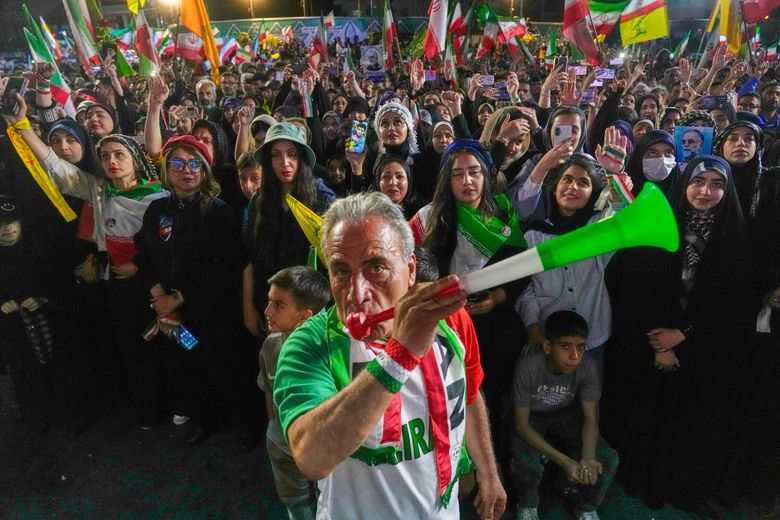
FIFA eventually issued a statement more than a week into the tournament saying there had been incidents where permitted items were not allowed into stadiums. The statement from FIFA came one day after Iran was eliminated from the tournament.
FIFA issued a “Human Rights Framework” in June 2024 where it called for the 2026 tournament to be “one of the most diverse and inclusive celebrations of all time.”