2026 FIFA World Cup Group G Preview: Iran
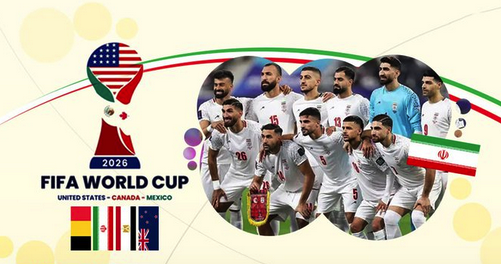
Rotowire.com – ANTALYA, Group G at the 2026 FIFA World Cup brings together Belgium, a transitioning European powerhouse, Egypt, a North African side with one of the most dangerous attacking partnerships in the tournament, Iran, a disciplined and experienced Asian qualifier making its fourth consecutive appearance and New Zealand, a plucky Oceanian side returning to the biggest stage after 16 years of absence.
This is the complete tactical guide to Group G’s Iran: playing style, attacking and defensive structure, key adjustments needed, predicted starting lineups, and set-piece takers.
How Iran Will Play at the 2026 World Cup
Iran arrive at the 2026 World Cup as one of Asia’s most experienced qualifiers, making their fourth consecutive appearance at the tournament under coach Amir Ghalenoei. The qualifying campaign was genuinely impressive: Iran lost only one of 16 AFC matches, finished eight points clear of third-placed UAE in their group, and Medhi Taremi recorded 10 goals in 15 qualifying games as one of the campaign’s most productive strikers in the entire Asian confederation. Ranked in the top 25 in the world by FIFA, this is a side that should not be underestimated by any opponent in the group.
The squad announcement, however, has been overshadowed by the most significant selection story in Iranian football in years. Sardar Azmoun was not named in the 30-man preliminary squad, with Iranian state media reporting he was left out due to injury, though it was reported that Azmoun had been expelled from the national team due to political reasons. Manager Ghalenoei did not explain the reason for the omission publicly. Whatever the official version, Azmoun is not going to make it to the World Cup, which means Iran will rely even more heavily on Taremi.
The political context surrounding Iran’s participation extends beyond the squad. Iran’s participation in the tournament has been in question since the United States and Israel attacked Iran in late February, and the Football Federation president was refused entry to Canada for the FIFA Congress in Vancouver in April. Iran are preparing in Turkey ahead of the tournament, with coach Ghalenoei confirming the squad will play friendlies in Antalya before heading to the United States.
The coach’s approach is pragmatic and results-first. He preaches discipline and is widely regarded as a pragmatist whose attritional framework is all about securing results by any means. This team lacks speed and is overly reliant on a resolute defensive structure, concede first and it is in trouble, because there is a dearth of creativity in the Iranian roster. However, it is tough to beat in tight contests, with counter-attacking efficiency as its key weapon. The system is a 4-3-3 or 4-2-3-1 that prioritizes defensive organization and controlled transitions over extended possession, with # Saeid Ezatolahi sitting as the anchor, Saman Ghoddos and Mohammad Mohebi providing the midfield box, and Taremi as the lone striker.
Iran’s Attacking Style at the 2026 World Cup
Iran’s attack is significantly more limited without Azmoun, and that limitation now appears permanent rather than temporary. Key attacking themes include:
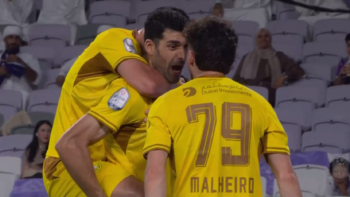
Mehdi Taremi as the captain and sole reliable attacking reference point, with 56 international goals and European club experience at Porto and Inter Milan, now at Olympiacos. He is the team’s most dangerous presence in and around the box and coach Ghalenoei has stuck with Taremi despite slumps in form and he has consistently delivered for the national team when it matters.
Saman Ghoddos as the primary creative option in the attacking midfield, whose importance has increased tenfold after Azmoun’s exclusion. He is now the player who must bridge the gap between the defensive structure and Taremi in a way the squad was not originally built to require from a single player.
Mehdi Ghayedi and Amirhossein Hosseinzadeh as the wide attacking options, providing the width and directness that Iran need to stretch opponents in transition and create the space Taremi relies on inside the box.
Iran’s attack is built on making the most of transition moments rather than dominating territory. Without Azmoun, the secondary goal threat that gave the system its balance is absent, and the burden on Taremi to convert the limited chances this system creates is greater than at any previous tournament.
Iran’s Defensive Setup
Manager Ghalenoei is loyal to an experienced group of players, with the average age of Iran’s qualifying squad over 30 years old, one of the oldest teams at this summer’s tournament. Shoja Khalilzadeh and Ali Nemati pair at centre-back, with Khalilzadeh providing the positional experience that anchors the defensive structure.
Arya Yousefi and Milad Mohammadi cover the full-back positions, with Ramin Rezaeian and Ehsan Hajsafi as alternatives. Alireza Beiranvand in goal, with over 80 international caps, brings the tournament experience of two previous World Cups and the reliability that Iran have built their defensive identity around. The defensive structure is resilient in tight contests, but going a goal down against Belgium or Egypt would require a shift in approach that this squad is not naturally built to execute.
Key Tactical Adjustments Iran Need to Make
Accept that Azmoun’s absence is permanent and build the attacking structure around Ghoddos as the creative enabler rather than continuing to treat Taremi as one of two equal threats.
Win the New Zealand match, the presence of New Zealand in Group G gives Iran a great chance of securing a victory that may be enough to reach the knockout stages for the very first time in their history.
Manage the background noise of the political situation and the diplomatic difficulties surrounding the squad’s travel and preparation, which represent a distraction no other team in the tournament is facing.
Iran 2026 World Cup Predicted Lineup
Iran Predicted Lineup: Beiranvand; Yousefi, Nemati, Khalilzadeh, Mohammadi;
Ezatolahi, Ghoddos, Mohebi; Ghayedi, Taremi, Hosseinzadeh.
Iran Set Piece Takers for the 2026 World Cup
Corners: Saman Ghoddos, Amirhossein Hosseinzadeh, Omid Noorafkan, Mehdi Ghayedi
Direct free kicks: Mehdi Taremi, Saman Ghoddos
Penalties: Mehdi Taremi, Amirhossein Hosseinzadeh
Why This Iran Lineup Works
This lineup places the team’s most experienced players in the positions that matter most for a pragmatic counter-attacking system. Beiranvand provides the goalkeeping reliability Iran have built their defensive identity around. Ezatolahi anchors the midfield with the positional discipline that protects the back four. Ghoddos, in his elevated role following Azmoun’s departure, carries the creative burden of connecting the defensive structure to Taremi. And Taremi leads the attack with the experience of a player who has scored at every level of the game and who understands better than anyone in this squad what is required to win a match on limited resources. Iran has qualified for three of the previous four World Cups and has never progressed from the group stage. The 2026 tournament, against Belgium, Egypt and New Zealand, gives them the most realistic opportunity in their history to change that.
Iran have the tactical maturity and Mehdi Taremi’s quality to compete for that same spot, though the March friendlies raised fresh questions about their attacking depth without Sardar Azmoun and their ability to win games they are expected to win. The Iran vs. Egypt match is set up to be the decisive game in the group, a genuine final for the second qualifying position.